
In precision manufacturing, decisions are made daily based on measurement data. For production releases, offset adjustments, quality validation, and compliance.
What happens if your data is incorrect? And what is calibration; what does it mean in your operation?
This regulatory requirement ensures traceable measurements, repeatable and reliable results. All of this allows for process control.
Clear signs that your team needs calibration
Scrap, rework, claims, or failed audits are signs of inconsistent variations between measurements: the same component, different results, and changes without apparent explanation; a sign of repeatability or stability issues.
Gradual drifts slowly move the measurements away from the nominal value, causing the machine to require adjustments more frequently. These are usually indicators of wear.
CP/CPK deteriorated, without apparent cause due to process
This makes the process seem stable, but the statistical indicators are worsening. It is possible that the measurement system has errors and not production.
The differences between measurement equipment can lead to a lack of metrological alignment, resulting in an inexplicable increase in scrap. Parts may be within tolerance according to internal measurements and still be rejected by the customer, or audits may show failures and lack of traceability.
What is usually overviewed (and this is why it happens)
Among the most common causes, we find thermal changes, vibrations in the plant, mechanical wear, intensive use, and lack of reference patterns...
... Wait for the annual calibration.
When the problem occurs daily, the risk is reduced with continuous verification and not just periodic calibration. Frequently verifying with certified standards, monitoring system stability, and proper integration with SPC are best practices.
Integrated verification in the production flow: The role of advanced systems
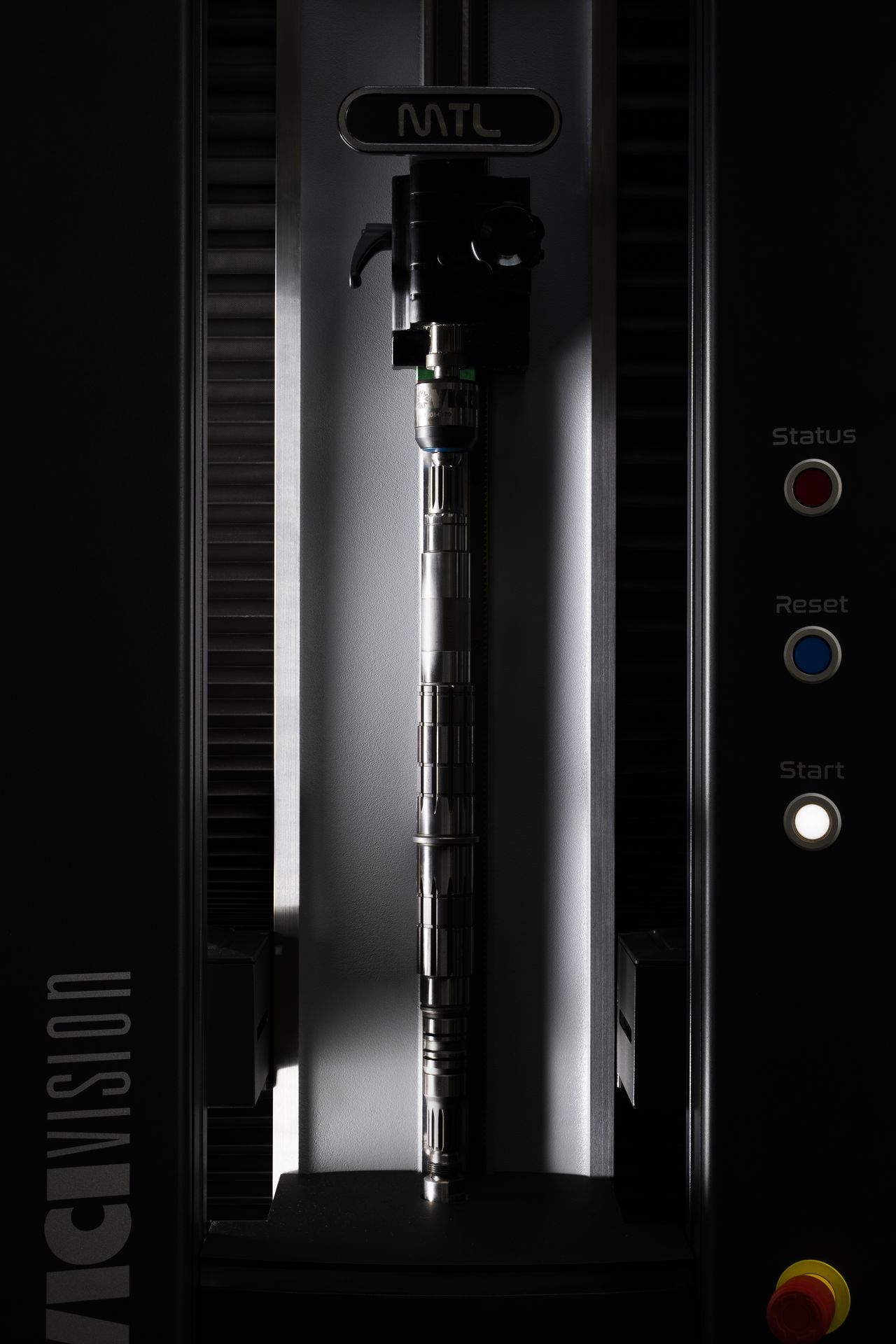
There is a differential value in solutions for direct measurement in a production environment, such as Vicivision Optical Measuring Machines that also incorporate capabilities such as the Stepmaster, a quick and traceable verification that allows:
- Verify the accuracy of the equipment directly on-site.
- Validate the system, in minutes.
- Lay the groundwork to automate the process.
- Complete traceability and compliance in audits.
International Organization for Standardization. (2017). ISO/IEC 17025:2017 General requirements for the competence of testing and calibration laboratories.
SixSigma.us. (2024). Statistical Process Control (SPC): The Ultimate Guide. Recuperado de https://www.6sigma.us/six-sigma-in-focus/statistical-process-control-spc/