
In many manufacturing operations, metrology is solved; coordinate measuring machines (CMM), optical systems, probes, or comparators... The problem is not measuring, but what to do with the data.
Scattered data, post-mortem inspection, lack of statistical traceability, and intuitive decisions result in scrap, rework, unplanned downtime, and a loss of real process capacity.
What does SPC actually solve when it's properly integrated?
SPC isn't just about pretty charts or meaningless dashboards. It's a structured approach to monitoring processes in real time and detecting variation before defects occur.
Statistical process control allows for data-driven decision-making, as it makes it possible to differentiate between normal variation and real problems.
In short, it allows controlling the process that generates the desired quality even in small batches of custom production, as in the aerospace industry.
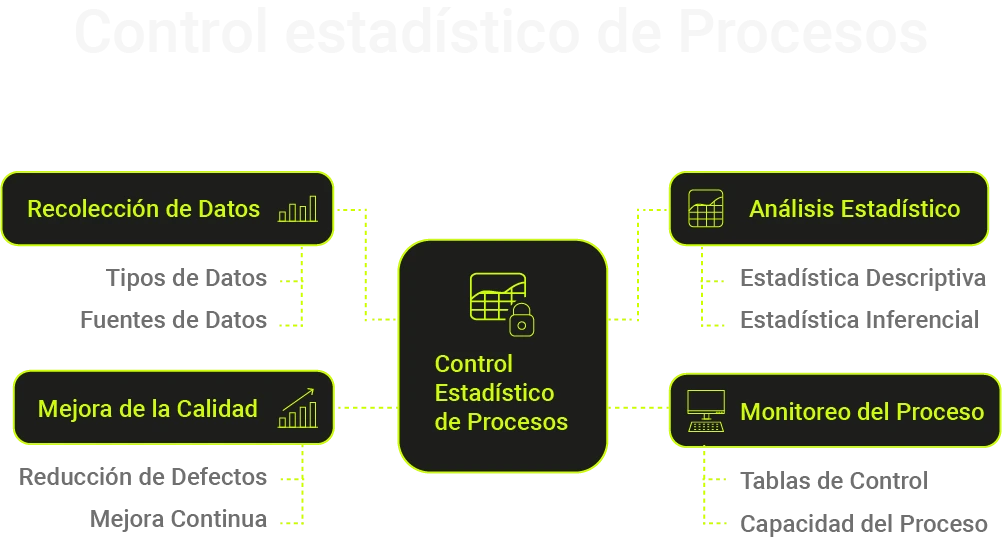
The critical gap: without integration, inspections are delayed
If the part is measured and recorded manually, that information is likely stored in an isolated system. By the time inspections detect problems, they have already occurred.
... Doing this contradicts one of the key principles of Statistical Process Control (SPC): "preventing rather than detecting."
What happens when you connect your measurement system with SPC Software?
Control becomes predictive, rather than reactive.
Automatic data capture
- Which eliminates human error
- Consistent and traceable data is generated
Real-time statistical control
- Control charts (x-bar, R, Cp Cpk)
- Immediate alerts for significant deviations
Identification of special causes
- Tool drift
- Clamping issues
- Thermal variation
- Immediate operational decisions
How do you turn measurements into immediate decisions to avoid scrap?
With solutions designed to operate online, such asVicivision or Metrios it is possible to control processes, differentiating normal variations from real anomalies.
With a continuous flow of data, you do not analyze historical data.
Instrumentation such asTesa Technology or Hommel Etamicguarantee metrological precision, but when integrated with SPC, it is possible to detect and identify problems of thermal variation, tool drift, or loss of capability (Cp/Cpk) before going out of tolerance.
If your production runs for a few hours, stops for measurement, and deviation is detected: scrap has already accumulated. If measured piece by piece, with a system integrated to SPC, the out-of-control trend is detected and the system alerts immediately, allowing for appropriate adjustments while the process remains under control, with complete traceability.
SixSigma.us. (2024).Statistical Process Control (SPC): The Ultimate Guide. Retrieved fromhttps://www.6sigma.us/six-sigma-in-focus/statistical-process-control-spc/